Best Time to Visit Mexico: Regions, Seasons, and Hurricanes
In this guide
The best time to visit Mexico for most trips is the dry season, from November to April, when the weather is sunniest across the country. But “Mexico” covers deserts, cool highlands and two hurricane coasts, so the right month depends on where you are going. Inland cities such as Mexico City, Oaxaca and Guanajuato are comfortable almost all year. The Caribbean and Pacific beaches are best from late fall through spring and carry hurricane risk from late summer into October. This guide breaks it down by region, explains the hurricane calendar using NOAA’s dates, and ends with a month-by-month shortcut.
Seasonal information here comes from Mexico’s tourism board, Mexico City’s official tourism site and the US National Hurricane Center, as read in October 2026. Weather is variable, so check the forecast before you commit to specifics.
The short version
| If you want | Go | Why |
|---|---|---|
| Beaches, reliable sun | November-April | Dry season on both coasts, lowest storm risk |
| Colonial cities and museums | October-April | Mild, drier days; rainy-season afternoons are manageable |
| Fewer crowds, lower prices | May-June or November | Shoulder months, with some rain or early-season warmth |
| Mexico City with minimal rain | November-April | The driest stretch |
| Avoiding hurricanes entirely | December-April | Outside both official seasons |
Mexico’s two seasons
Visit Mexico, the national tourism board, divides the year into a dry season (November to April) and a rainy season (May to October). That is a simplification, because the country is big, but it is a good starting point. The board also describes the rainy season in tropical and southern areas as generally running June to September, with showers that can be intense but brief. In most tourist destinations, December to February is a mild time to travel.
The dry season is also high season: expect the highest prices and the biggest crowds around Christmas and New Year, and during Holy Week (Semana Santa), when many Mexican families travel. The week before Easter falls on different dates each year, so check the calendar for the year you travel. Many travelers find the shoulder months of November and May a good compromise between weather and cost.
Region by region
Mexico City and the central highlands
Mexico City, Puebla, Guadalajara, Guanajuato and San Miguel de Allende sit at high altitude. Mexico City alone is at about 2,240 meters (7,350 feet), which keeps temperatures moderate. Mexico’s tourism board gives a temperature range of roughly 10 to 26 degrees Celsius (50 to 79 degrees Fahrenheit) for Mexico City, Guadalajara and Puebla depending on the season.
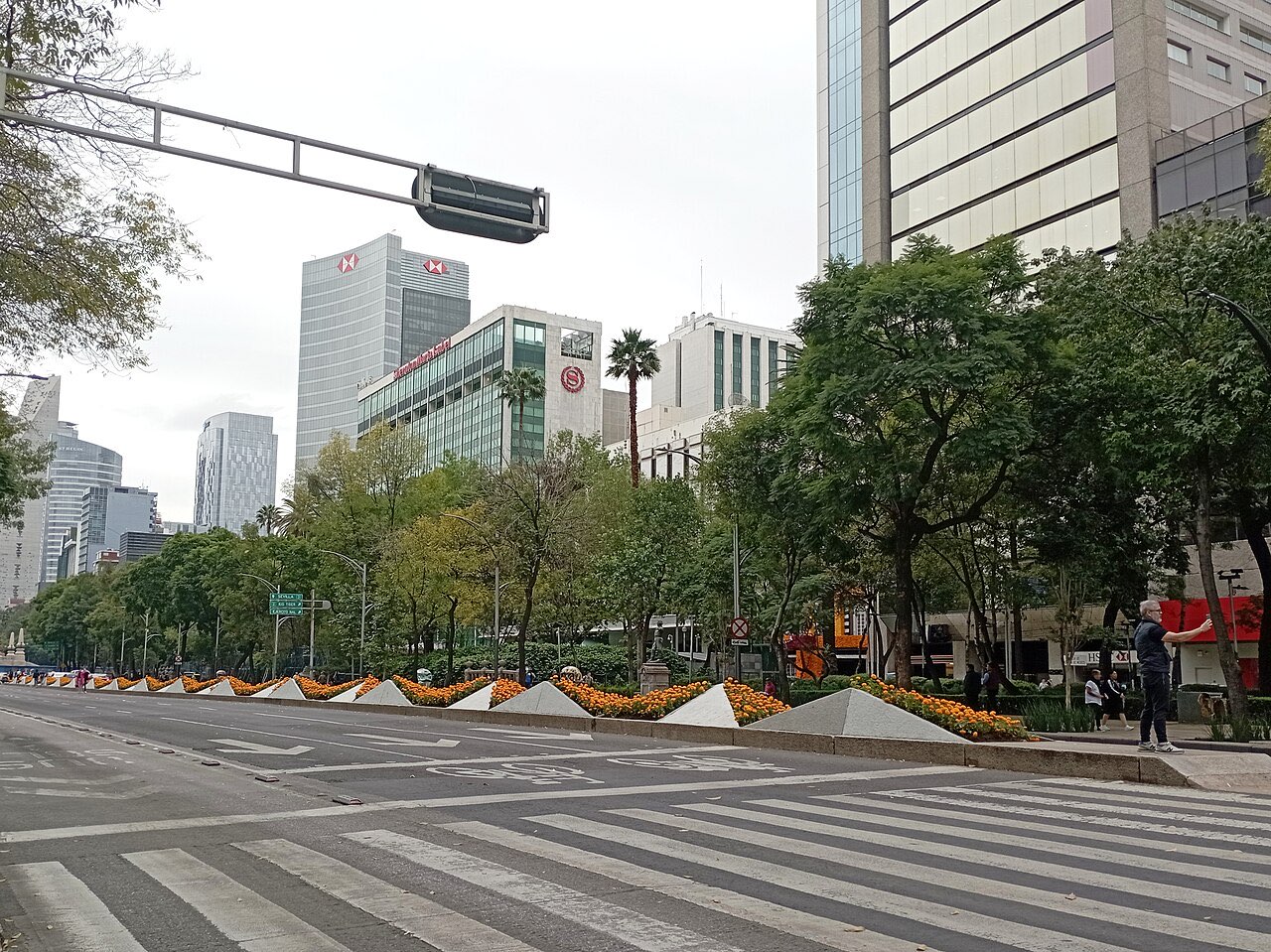
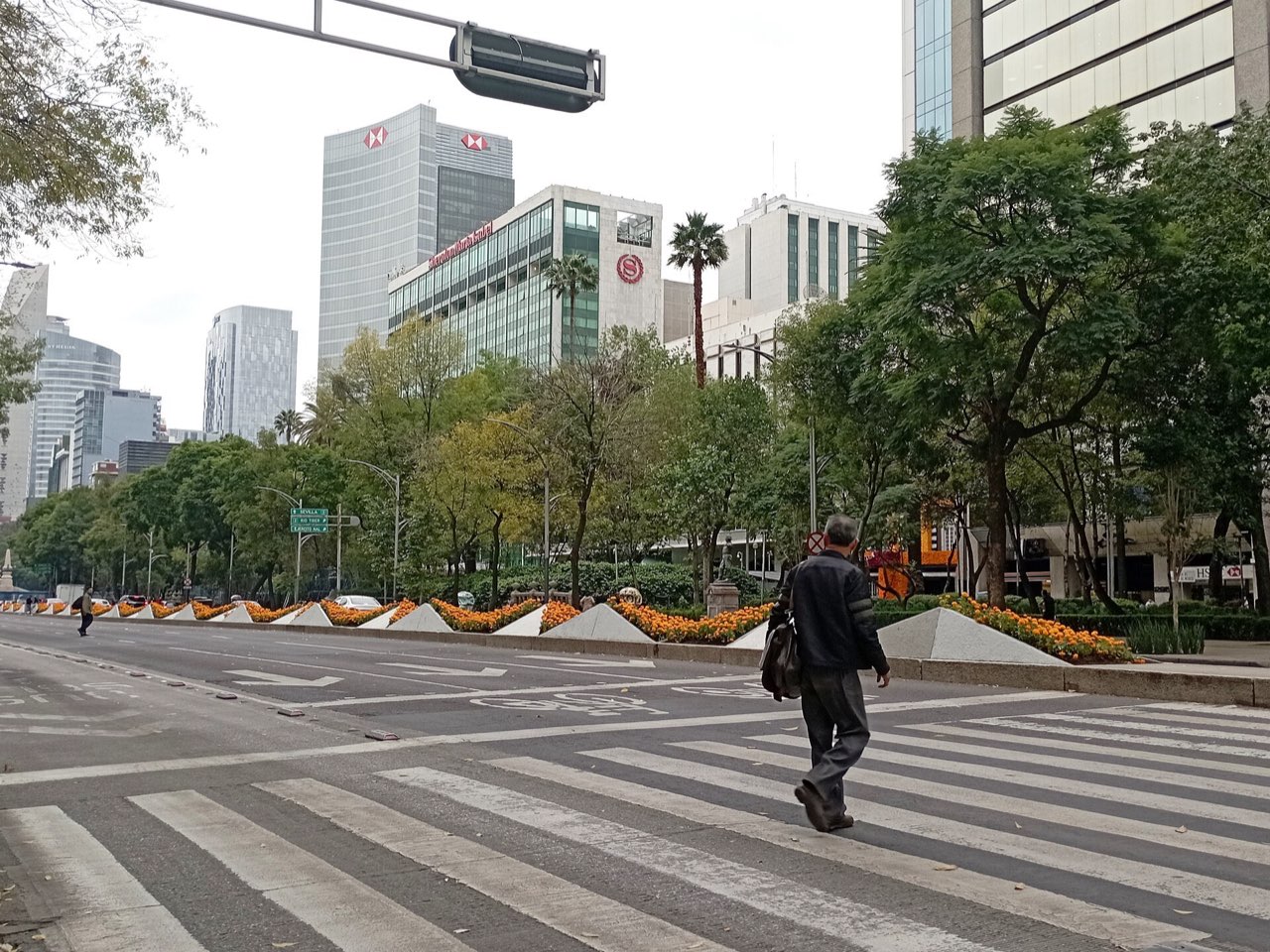
Mexico City’s official tourism site says the rainy season runs from May to October with sunny mornings and often cloudy, rainy afternoons. Summer downpours usually last at most a couple of hours but can cause drainage problems, minor flooding and traffic delays, and it describes spring and fall as very pleasant, with warm afternoons and cooler evenings. In practice, schedule outdoor sights in the morning and museums in the afternoon from June through September. Our Mexico City first-timer’s guide and museums guide help you plan around that, and the Guanajuato and Puebla guides cover two other highland cities.
Best: November to April for dry weather, October for fewer crowds after the rains start fading. Watch for: afternoon storms in summer and chilly nights in winter, because altitude means you need a layer even when the day is warm.
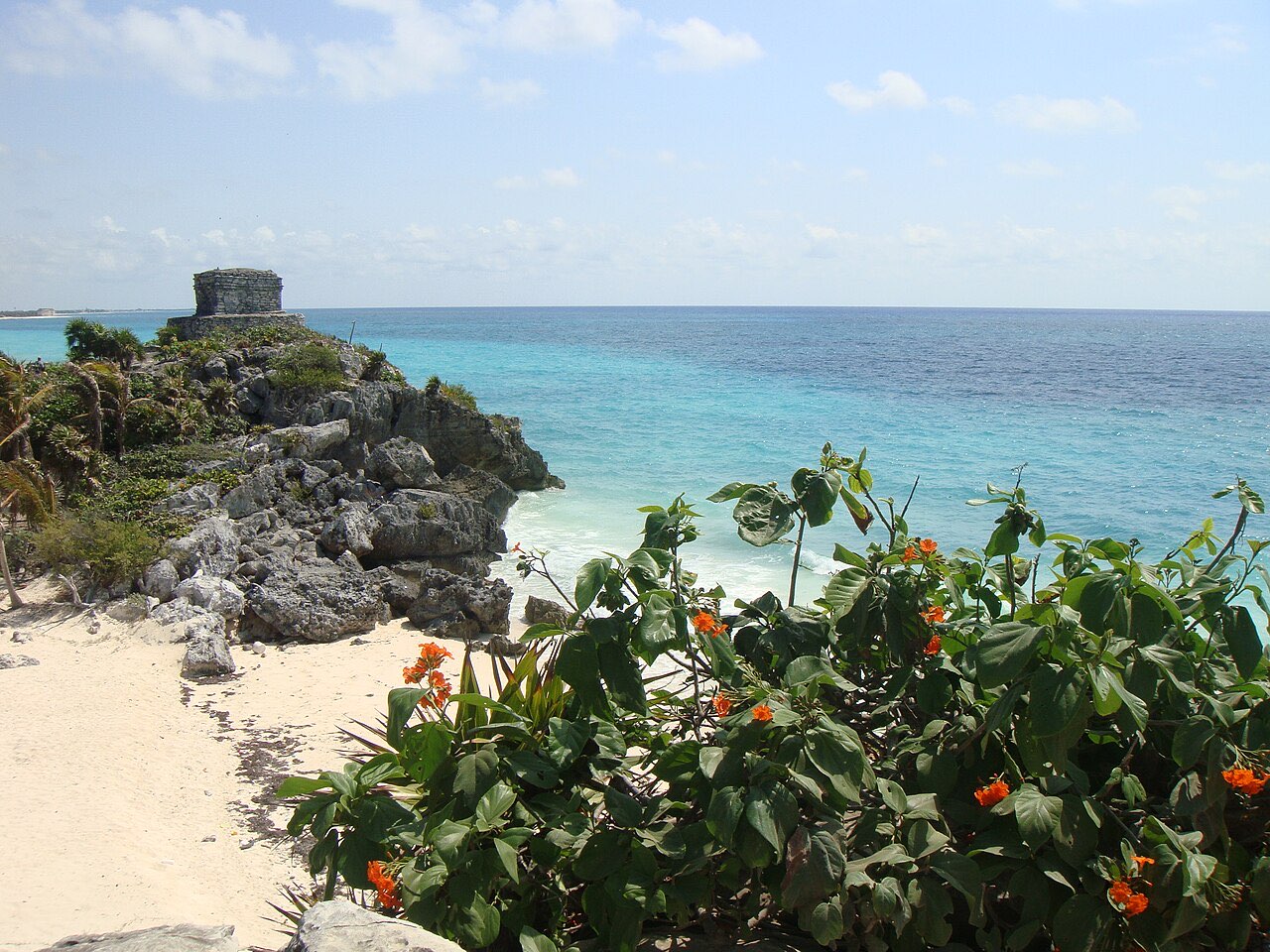
Caribbean coast: Cancún, Tulum, Riviera Maya
The tourism board describes this area as warm and humid almost year-round, with temperatures from 25 to 33 degrees Celsius (77 to 91 degrees Fahrenheit) and occasional rain from June to October. It also sits inside the Atlantic hurricane basin. NOAA’s official Atlantic season runs June 1 to November 30, with the climatological peak on September 10 and most activity between mid-August and mid-October.
Best: December to April, after the hurricane season ends and before the humid heat builds. Watch for: August to October storm risk, and check recent reports on seaweed (sargassum) at the beaches you care about, which varies from year to year and which we could not verify for this guide. Our beach destinations comparison and Mérida and Yucatán guide go deeper on this side of the country.
Pacific coast: Puerto Vallarta, Los Cabos, Oaxaca coast
The Pacific has its own storm calendar. NOAA lists the Eastern Pacific hurricane season as running May 15 to November 30, with a peak in late August that is less pronounced than the Atlantic peak. In an average season (1991 to 2020), the Eastern Pacific produces 15 named storms, 8 hurricanes and 4 major hurricanes, though not all approach land. Mexico’s tourism board gives Puerto Vallarta the same warm, humid profile as the Caribbean, with occasional rain from June to October. See our Puerto Vallarta guide and Puerto Escondido guide.
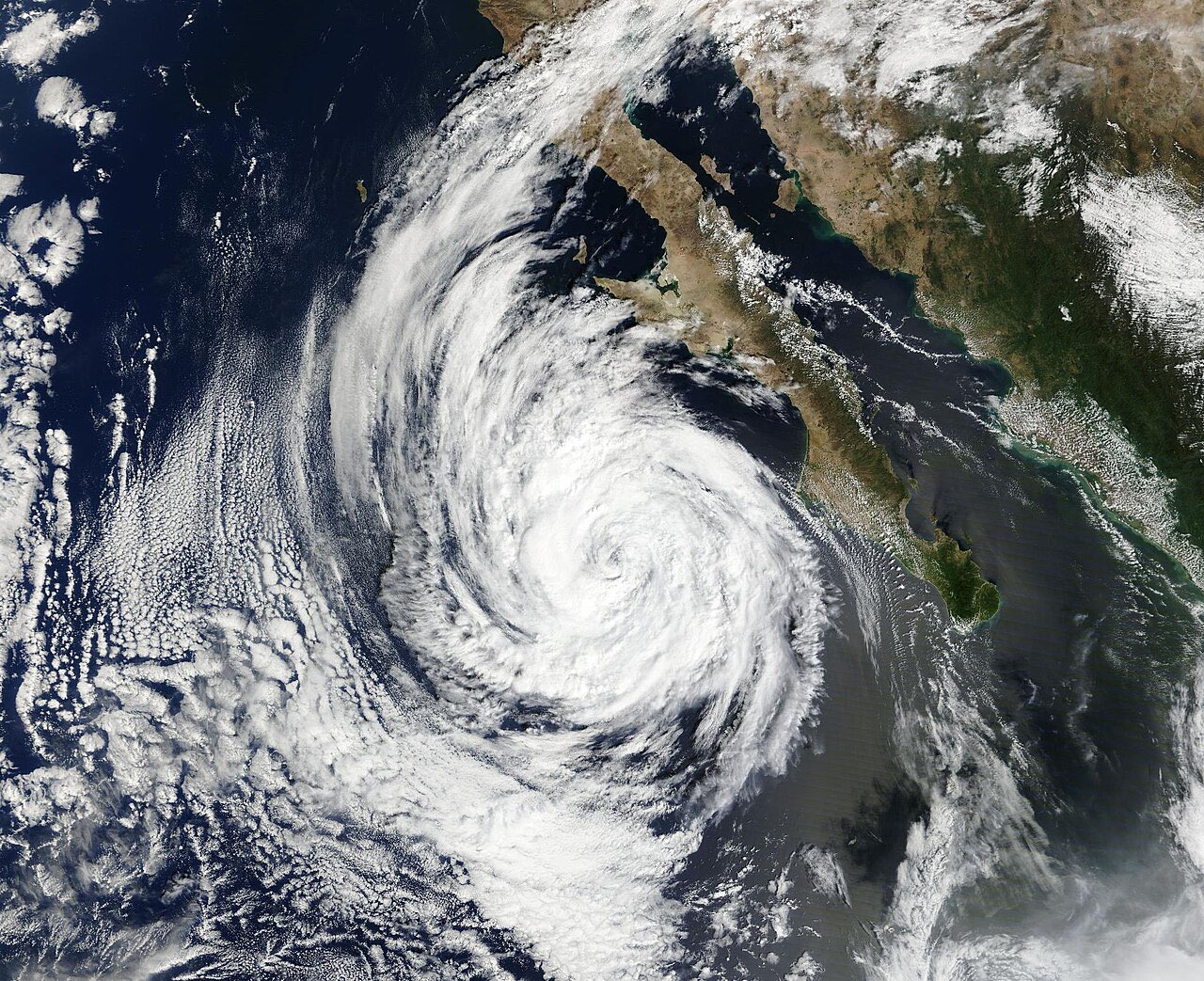
Best: November to May. Watch for: September and October, when storms and swell can disrupt plans, and the possibility of storm-related flight delays.
Baja California, Sonora and the north
The north is desert country. The tourism board describes Baja California, Chihuahua and Sonora as dry, with high summer temperatures and cool nights, so spring and fall are usually the more comfortable seasons for outdoor activities. Pacific storms can still reach Baja in late summer and fall, so check the National Hurricane Center’s outlook if you travel in September or October.
Southern highlands: Oaxaca and Chiapas
Highland cities such as Oaxaca and San Cristóbal de las Casas have a cooler, mountain climate with a rainy season that the tourism board places generally between June and September in southern areas. Their dry months, roughly November to April, are the easiest for hiking and day trips. See our Oaxaca guide and San Cristóbal guide.
Hurricane season: what it means for a trip
Hurricane season is not a reason to skip Mexico, but it is a reason to plan. According to the National Hurricane Center, the Atlantic basin season runs June 1 to November 30 and the Eastern Pacific season runs May 15 to November 30. Official dates are a guide, and activity can occur outside them. The numbers also vary a lot from year to year: as of mid-October 2026, the NHC’s season summaries showed 19 named storms in the Eastern Pacific (5 more than normal) and 10 in the Atlantic (2 fewer than normal), according to its 2026 summaries.
The practical approach:
- Time your trip. If you can pick, go to the beach between December and April. If you have to go in the season, favor the early part (June) or the end (November) over the August to October stretch.
- Use the right insurance. Read the named-storm terms and cancellation windows in your policy. Our Mexico travel insurance guide explains what to look for.
- Book flexibility. Choose refundable or changeable lodging and flights where you can.
- Watch the forecast. The NHC issues forecasts and outlooks days in advance. In the week before travel, check the Tropical Weather Outlook for your coast.
- Follow local instructions. If a warning is issued, follow hotel and civil-protection guidance and leave early if told to.
Festivals that change when you should go
Some of Mexico’s best-known events fall in the shoulder or rainy months, and they can be the reason to go. Day of the Dead (October 31 to November 2) is at the end of the rainy season, and it draws visitors to Oaxaca, Michoacán and Mexico City, so lodging can fill early. See our Day of the Dead guide. Holy Week and the Christmas to New Year period are busy and expensive. Independence celebrations run around September 15 and 16. Check local calendars for specific dates, because many festivals move.
Match the month to your trip
- One city for a long weekend (Mexico City, Oaxaca, Guanajuato): almost any month works. In the rainy season, plan indoor sights for the afternoon and keep a light rain jacket in your bag.
- A beach week: aim for December to April. If your dates are fixed in September or October, pick a place and a hotel with a flexible cancellation policy, and keep an eye on the forecast.
- A multi-region loop (colonial cities plus a coast): put the coast at the start or end of the dry season and spend the wetter months in the highlands, where storms are not the main risk. Our two-week colonial cities itinerary shows how to chain inland stops.
- Hiking, desert and nature days in the north: choose spring or fall over high summer, when the tourism board notes temperatures are high.
- Traveling with kids or older relatives: the moderate climate of the central highlands is easier than coastal humidity, though altitude can take a day or two to adjust to.
Month-by-month shortcut
| Month | Inland and highlands | Beaches |
|---|---|---|
| January-February | Dry, cool nights | Best weather, high prices |
| March-April | Dry, warming up; Holy Week crowds | Hot, sunny, busy |
| May-June | Hot spells, first rains | Warm; season for Pacific storms begins |
| July-August | Rainy afternoons | Humid; storm risk rising |
| September-October | Rain easing in October | Peak storm risk; low prices |
| November | Dry season returns | Storm season ends; good value |
| December | Dry, cool; holiday crowds | Excellent weather, peak prices |
Price and crowd notes in the table are general patterns rather than measured figures. If you can only remember one thing, remember this: pick the dry season for beaches, and treat everything else as a trade between price, crowds and risk. For packing help once you have chosen a month, see our Mexico packing list, and see the Mexico entry requirements guide before you book flights.
Frequently asked questions
What is the best month to visit Mexico?
For the widest choice of places, November through April, the dry season, is the safest answer. Mexico's tourism board describes two broad seasons: dry from November to April and rainy from May to October. If you are only visiting inland places such as Mexico City, Oaxaca or Guanajuato, the rainy months are workable because the rain usually falls in the afternoon.
When is hurricane season in Mexico?
The Atlantic season, which covers the Caribbean coast and the Gulf, runs from June 1 to November 30, with a climatological peak around September 10, according to NOAA. The Eastern Pacific season, which affects the Pacific coast and Baja, runs from May 15 to November 30 and peaks in late August. Most storms miss any given town, but these months carry the risk.
Is it safe to travel to Mexico in hurricane season?
Usually, yes, as long as you keep your plans flexible. Storms are forecast days ahead by the National Hurricane Center, so the practical risks are canceled flights and a ruined beach week. Buy travel insurance that covers named-storm cancellations, book refundable lodging if you can, and watch the forecast in the week before you fly.
Is Mexico City OK to visit in the rainy season?
Yes. [Mexico City's official tourism site](https://mexicocity.cdmx.gob.mx/e/basics-for-mexico-city-travel/?lang=en) says the rainy season runs from May to October, with sunny mornings and often rainy afternoons, and that downpours rarely last more than a couple of hours. Do your sightseeing in the morning, carry a light rain jacket, and expect some traffic delays and flooded streets after heavy storms.
When are the cheapest months to travel to Mexico?
Typically the rainy, low-season months from May to October, outside school holidays, though prices vary by place. Beach prices often dip in late summer and early fall, which is also when storm risk is highest, so a flexible booking matters.
Keep planning
- Is Mexico Safe for Tourists? An Honest Regional Breakdown
A non-alarmist look at safety in Mexico — how risk varies by region, what US advisories actually mean, taxi and ATM precautions, and the scams to know.
Updated Oct 2026 - Mexico City Airport (AICM) to the City: Metro, Metrobús, Uber, Taxi
How to get from Mexico City airport (AICM) to the center: Metrobús Line 4 for 30 MXN, Metro, Uber or DiDi, authorized taxis, plus the AIFA train and traffic tips.
Updated Oct 2026 - Mexico Entry Requirements: Passport, FMM Tourist Card, Customs
What tourists need to enter Mexico in 2026: passport rules, the digital FMM tourist card, the 180-day limit, the non-resident fee, and customs limits.
Updated Oct 2026